Affair Recovery Worksheets: A Strategic Tool for Healing and Trust Rebuilding
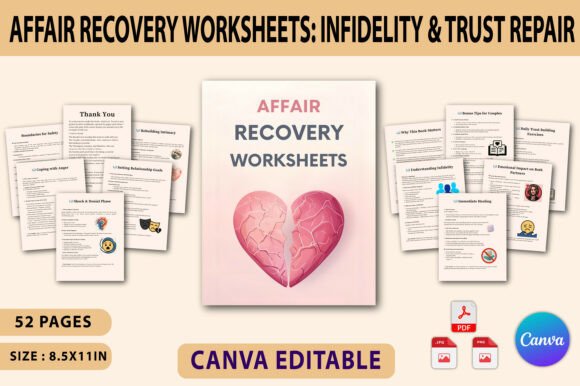
When betrayal fractures a relationship, the emotional fallout can feel overwhelming. Affair Recovery Worksheets offers a structured, practical approach to navigating this complex journey. Designed for couples and individuals seeking to heal from infidelity, this guided healing planner provides a roadmap to process emotions, rebuild trust, and restore intimacy. Its strategic framework is ideal for those looking to make intentional decisions, set clear goals, and create long-term outcomes in both personal and professional contexts.
Understanding the Purpose of Affair Recovery Worksheets
Infidelity is more than a single event—it's a series of choices that ripple through relationships, affecting communication, self-esteem, and emotional well-being. Affair Recovery Worksheets addresses these layers by offering step-by-step activities tailored to each stage of recovery. Whether you're working through anger, sadness, or confusion, the worksheets provide tools to explore your feelings with clarity and purpose.
Unlike generic self-help guides, this resource is grounded in actionable strategies. It includes reflective prompts that encourage deep introspection and structured exercises that help you move from emotional pain toward healing. The workbook’s emphasis on understanding the causes and impacts of betrayal ensures that users approach their recovery with both empathy and insight.
Strategic Use of Affair Recovery Worksheets in Personal Growth
For individuals committed to personal growth, Affair Recovery Worksheets serves as a powerful tool for self-awareness and transformation. By engaging with its worksheets, you can identify patterns in your behavior, uncover hidden triggers, and develop healthier coping mechanisms. This process supports not only emotional healing but also broader life goals such as improved communication, stronger boundaries, and greater self-compassion.
Consider using the worksheets to track progress over time. The included progress trackers allow you to journal reflections, set weekly check-ins, and measure how far you’ve come. This data-driven approach helps you stay accountable and makes it easier to adjust your strategy as needed. For professionals, this level of self-reflection can translate into better decision-making and enhanced productivity in both personal and work environments.
How Affair Recovery Worksheets Supports Couples’ Work
In a relationship affected by infidelity, collaboration is key. Affair Recovery Worksheets provides couples with a shared framework to engage in meaningful dialogue and rebuild trust. The communication builders section includes tools for active listening, honest conversations, and setting expectations—skills that are essential for any healthy partnership.
One practical example is the use of trust repair steps. These daily exercises and trust-building agreements help couples establish new norms and reinforce commitment. By working through these activities together, partners can align their goals and create a foundation for renewed intimacy. This collaborative approach not only supports emotional healing but also strengthens the relationship’s long-term potential.
Practical Applications Beyond the Relationship Context
The principles embedded in Affair Recovery Worksheets extend beyond the realm of personal relationships. For entrepreneurs, marketers, and business owners, the workbook’s focus on goal-setting, boundaries, and accountability can be applied to leadership and team dynamics. The same structured approach used to rebuild trust in a relationship can be adapted to foster collaboration, improve decision-making, and enhance customer experience within an organization.
For instance, a small business owner dealing with internal conflict might use the worksheets’ communication builders to facilitate difficult conversations with employees. Similarly, a freelancer struggling with boundary issues could apply the self-care practices section to maintain balance between work and personal life. These applications demonstrate how the workbook’s strategies can be repurposed across different domains, making it a versatile resource for strategic planning.
When and How to Approach Affair Recovery Worksheets
Using Affair Recovery Worksheets effectively requires intentionality. It’s most beneficial when approached with a clear objective, whether it’s to process past pain, rebuild trust, or create a vision for the future. Before diving in, consider your current emotional state and readiness to engage in deep reflection. If you’re feeling overwhelmed, start with shorter exercises and gradually build up to more comprehensive activities.
It’s also important to recognize that this is not a quick fix. Healing from infidelity is a gradual process that requires consistency and patience. Set aside dedicated time each week to work through the worksheets, and be open to adjusting your approach based on what feels most effective for you. The workbook’s flexibility allows for personalized use, ensuring that it remains relevant to your unique situation.
Risks of Using Affair Recovery Worksheets Without Clear Goals
While Affair Recovery Worksheets is a valuable resource, it’s not a one-size-fits-all solution. Using it without a clear purpose or context can lead to frustration or ineffective outcomes. For example, if you approach the worksheets randomly without a defined plan, you may miss key insights or fail to address underlying issues.
Additionally, relying solely on the workbook without external support can be limiting. While it provides a strong foundation, some individuals may benefit from guidance from a therapist or coach. The workbook includes resources for professionals, which can be especially helpful for those who need additional expertise to navigate complex emotional terrain.
Intentional Use for Long-Term Results
To maximize the benefits of Affair Recovery Worksheets, use it as part of a larger strategy for healing and growth. Combine the workbook’s exercises with other practices such as therapy, mindfulness, or community support. This holistic approach ensures that you’re addressing all aspects of your well-being—emotional, physical, social, and spiritual.
One effective strategy is to integrate the worksheets into your daily routine. For example, dedicate 15–30 minutes each day to a specific exercise, such as journaling or reflecting on a prompt. Over time, these consistent efforts will contribute to lasting change. Additionally, the final commitment pages offer a space to write down your promises and future plans, helping you stay focused on your goals.
Conclusion: A Thoughtful Investment in Healing
Affair Recovery Worksheets is more than just a collection of exercises—it’s a strategic investment in your emotional and relational well-being. By approaching it with intention, you can transform pain into purpose and create a path toward healing, trust, and renewal. Whether you’re working through personal challenges or applying its principles to professional growth, the workbook’s structured approach ensures that you’re making informed, meaningful decisions every step of the way.