5 Stages of Grief Model
The 5 Stages of Grief Model, developed by Elisabeth Kübler-Ross, offers a framework for understanding the emotional journey people experience when facing loss. While originally intended for terminal illness, this model has been widely applied to various forms of loss, including relationship endings, career changes, and personal transitions. Its value lies in its ability to provide structure, clarity, and a sense of normalcy during times of emotional upheaval.
Understanding the 5 Stages of Grief Model
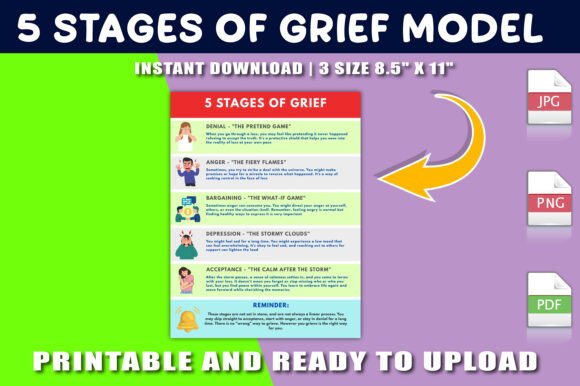
The model outlines five stages: Denial, Anger, Bargaining, Depression, and Acceptance. Each stage represents a different emotional response to loss, and they do not necessarily occur in a linear order. Instead, individuals may move back and forth between stages as they process their emotions.
- Denial: A defense mechanism where the reality of the loss is temporarily rejected.
- Anger: A natural reaction to feelings of helplessness and injustice.
- Bargaining: Attempting to regain control through promises or conditions.
- Depression: A period of deep sadness and withdrawal from the world.
- Acceptance: Coming to terms with the loss and finding a way to move forward.
Creative Applications of the 5 Stages of Grief Model
While the 5 Stages of Grief Model is rooted in psychology, it can be creatively adapted for a wide range of purposes. For instance, creators and designers can use it as a visual storytelling tool. Each stage can be represented through a unique artistic style, color palette, or symbolic imagery. This approach allows for deeper emotional engagement and makes the concept more accessible to diverse audiences.
Marketers and educators might find the model useful in developing content that resonates emotionally with their audience. By aligning messages with the stages of grief, they can create more relatable and impactful campaigns. For example, a grief support website could use the model to guide users through self-care exercises tailored to each stage.
Designing with the 5 Stages of Grief Model
Designers looking to incorporate the 5 Stages of Grief Model into their work can explore several creative directions. One popular approach is to create a visual planner or journal that guides users through each stage with prompts, reflections, and activities. These planners often include space for drawing, writing, and even mindfulness exercises.
For those working on print or digital projects, the model can serve as a foundation for themed layouts. Each stage can be visually distinct, using appropriate symbols and colors to reinforce the emotional tone. For example, the Denial stage might feature a closed door icon and muted tones, while Acceptance could use a sunrise image and warm hues.
Practical Uses Across Different Audiences
The versatility of the 5 Stages of Grief Model makes it applicable to a broad range of users. For therapists and counselors, it provides a structured yet flexible framework for guiding clients through their emotional journeys. For self-help enthusiasts, it offers a roadmap for personal growth and healing.
Entrepreneurs and small business owners might apply the model to navigate change, such as restructuring a business or dealing with failure. By recognizing and processing their emotions, they can make more informed decisions and maintain resilience.
Freelancers and creatives can also benefit from the model when managing transitions in their careers. Whether it's moving to a new project, changing industries, or adjusting to a new work environment, the 5 Stages of Grief Model can help them process their feelings and stay focused on their goals.
Adapting the Model for Different Formats
The 5 Stages of Grief Model can be adapted to fit various formats, including books, websites, and social media. For instance, a KDP (Kindle Direct Publishing) author might use the model as a theme for a self-help book, providing readers with practical tools and insights at each stage.
Online platforms can leverage the model to create interactive experiences, such as guided journaling apps or digital art projects. These tools allow users to engage with the model in a dynamic and personalized way, enhancing their emotional well-being.
Creating Effective and Audience-Friendly Content
When applying the 5 Stages of Grief Model to creative projects, it’s important to keep the content clear, effective, and audience-friendly. Start by identifying the target audience and their specific needs. Are they seeking comfort, guidance, or inspiration? Tailoring the message to meet these needs ensures that the content is both relevant and impactful.
Use simple language and avoid overly complex explanations. Incorporate visuals and symbols that resonate with the emotional tone of each stage. This not only enhances the aesthetic appeal but also supports the emotional processing of the user.
Additionally, consider the platform or medium you're using. For print materials, high-quality images and clean layouts are essential. For digital content, ensure that the design is responsive and accessible across different devices. By focusing on usability and accessibility, you create a more inclusive and engaging experience for your audience.
Realistic Examples and Useful Recommendations
A realistic example of the 5 Stages of Grief Model in action is a grief journal designed for personal use. Each page corresponds to a stage, featuring prompts such as “What am I feeling right now?” or “What can I do to take care of myself?” Users can write, draw, or reflect on their experiences, creating a personal record of their emotional journey.
Another example is a therapeutic tool used in counseling sessions. Therapists might guide clients through each stage with targeted questions and exercises, helping them gain insight and develop coping strategies. This approach fosters a supportive environment where clients feel heard and understood.
For those interested in publishing, consider creating a downloadable PDF or printable guide that follows the 5 Stages of Grief Model. These resources can be shared on blogs, social media, or sold on platforms like KDP. They offer a convenient and accessible way for people to engage with the model in their daily lives.
Ultimately, the key to success lies in balancing inspiration with practical guidance. By providing clear direction and actionable steps, you empower your audience to navigate their emotional journey with confidence and compassion.